
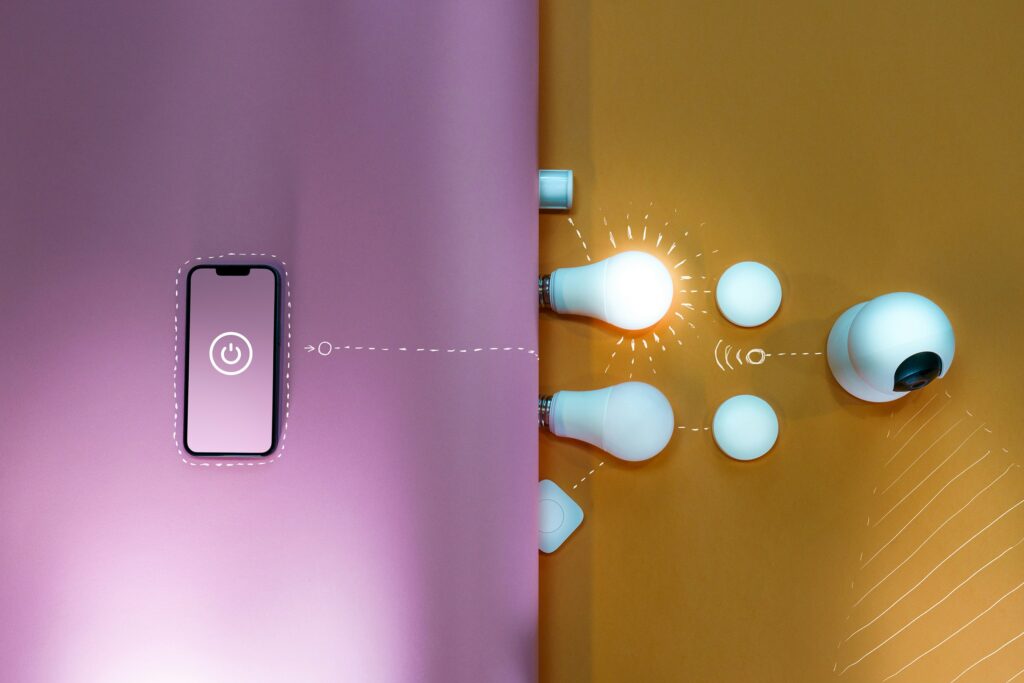
Home Automation Singapore 2026: Top Smart Devices to Upgrade Your Home
As Singapore advances into 2026, home automation stands at the forefront of transforming residential environments through cutting-edge technology. The integration of smart devices within domestic spaces is redefining convenience, security, and energy efficiency, offering residents unprecedented control over their living conditions. Home automation Singapore 2026 embraces this trend by presenting an array of sophisticated products designed to elevate lifestyle experiences while optimizing resource management. This article explores the best smart home devices in Singapore, providing an in-depth analysis of their functionalities, benefits, and practical applications to help homeowners make informed decisions for their smart home upgrades.
Smart Home Hubs: The Control Centers of Modern Residences
Central to effective home automation in Singapore 2026 are smart home hubs, which serve as the command centers coordinating various connected devices. These hubs enable seamless communication between disparate smart products, facilitating unified control through a single interface, often accessible via smartphones or voice assistants. The choice of a hub significantly influences the overall system’s compatibility, responsiveness, and scalability.
Leading Smart Home Hubs in Singapore
- Google Nest Hub Max: Offers intuitive voice control through Google Assistant, integrates with numerous smart devices, and provides a visual interface for video calls and monitoring.
- Amazon Echo Show 10: Features Alexa voice commands, a rotating display for optimal visibility, and compatibility with a wide range of smart products.
- Samsung SmartThings Hub: Supports Zigbee, Z-Wave, and Wi-Fi protocols, enabling extensive device compatibility and complex automation routines.
The selection between these hubs depends on user preferences regarding ecosystem integration, specific device compatibility, and desired control modalities. For instance, Singaporean homes that utilize Google services extensively may benefit from the Nest Hub Max, while those prioritizing device diversity might prefer the Samsung SmartThings platform.
Energy Management Devices to Enhance Efficiency and Sustainability
In a city-state committed to sustainability, home automation Singapore 2026 prioritizes energy management through smart meters, intelligent thermostats, and automated lighting systems. These devices enable residents to monitor and optimize energy consumption, contributing to cost savings and environmental preservation.
Smart Thermostats: Precision Climate Control
Smart thermostats such as the Ecobee SmartThermostat and Google Nest Thermostat adapt heating and cooling schedules based on occupancy patterns, weather forecasts, and user preferences. This adaptive control reduces unnecessary energy expenditure while maintaining comfort.
Automated Lighting Systems
LED lighting integrated with motion sensors and ambient light detection can dynamically adjust brightness levels throughout the day. Brands like Philips Hue and LIFX provide customizable lighting scenes controllable via mobile applications, promoting both energy savings and aesthetic enhancement.
| Device | Energy Saving Features | Integration Protocols | Average Cost (SGD) |
|---|---|---|---|
| Ecobee SmartThermostat | Adaptive scheduling, occupancy detection | Wi-Fi, Apple HomeKit, Alexa | 450 |
| Google Nest Thermostat | Auto-schedule, remote control | Wi-Fi, Google Assistant | 300 |
| Philips Hue Lighting | Motion sensors, daylight harvesting | Zigbee, Wi-Fi | 150 – 500 (depending on kit) |
| LIFX Smart Bulbs | Dimmable, color temperature tuning | Wi-Fi | 80 – 120 per bulb |
Security Innovations: Protecting Homes with Smart Devices
Security remains a paramount concern for Singaporean homeowners, making smart security systems an essential component of home automation Singapore 2026. These systems integrate surveillance cameras, smart locks, and alarm sensors to provide real-time monitoring and rapid response capabilities.
Smart Surveillance Cameras
Devices such as the Arlo Pro 4 and Ring Spotlight Cam offer high-definition video recording, night vision, motion detection, and cloud storage options. These features facilitate continuous surveillance and evidence collection in case of security breaches.
Smart Locks and Access Control
Smart locks like August Smart Lock Pro and Yale Assure Lock SL allow keyless entry through smartphone apps, biometric identification, or temporary access codes. This enhances security by eliminating physical keys, which can be lost or duplicated.
Integration of these devices with home hubs enables automation of security routines, such as locking doors at specific times or activating cameras when no one is home, enhancing both convenience and safety.
Voice Assistants and AI Integration in Home Automation
The integration of voice assistants and artificial intelligence (AI) into home automation Singapore 2026 elevates user interaction by enabling natural language commands and predictive functionalities. This paradigm shift transforms passive devices into proactive home companions.
Popular Voice Assistants
- Google Assistant: Offers extensive third-party integrations, contextual understanding, and multilingual support.
- Amazon Alexa: Provides a vast library of skills, routines automation, and compatibility with diverse smart devices.
- Apple Siri: Seamlessly integrates with Apple ecosystem devices, emphasizing privacy and user data protection.
AI-Driven Automation Examples
AI can analyze residents’ daily routines to automatically adjust lighting, temperature, and security settings, enhancing comfort and efficiency without manual input. For example, AI algorithms can detect when occupants leave and reduce energy usage accordingly or suggest grocery lists based on consumption patterns.
Smart Entertainment Systems and Their Role in Smart Homes
Smart entertainment devices are integral to home automation Singapore 2026, providing immersive audiovisual experiences controlled through centralized systems. These devices include smart TVs, multi-room audio systems, and streaming devices that enhance leisure activities and social interactions.
Smart TVs and Streaming Devices
Brands like Samsung, LG, and Sony offer smart TVs with integrated voice assistants and app ecosystems, allowing users to access streaming services effortlessly. Devices such as Roku and Amazon Fire Stick expand compatibility and functionality.
Multi-Room Audio Systems
Solutions like Sonos enable synchronized music playback throughout the home, controllable via voice or mobile applications. These systems support various streaming platforms and high-fidelity sound quality, enhancing the overall home environment.
Health and Wellness Monitoring Through Smart Devices
Emerging as a vital segment within home automation Singapore 2026 is the integration of health and wellness technologies. These devices enable continuous monitoring and personalized feedback to promote healthier lifestyles and timely medical interventions.
Smart Air Quality Monitors
Devices such as the Awair Element measure indoor pollutants, humidity, and temperature, providing actionable insights to improve air quality, which is crucial in Singapore’s humid climate.
Wearable Health Devices Integration
Wearables like the Apple Watch and Fitbit synchronize with home automation systems to adjust environmental factors based on biometric data, such as heart rate and sleep quality, enhancing personalized comfort and health monitoring.
Connectivity and Network Infrastructure for Smart Homes
Reliable and high-speed connectivity is foundational to home automation Singapore 2026, ensuring uninterrupted communication between devices and cloud services. Network infrastructure choices influence system performance, latency, and security.
Wi-Fi 6 and Mesh Networks
Wi-Fi 6 technology offers enhanced speed, capacity, and reduced latency, addressing the growing number of connected devices in modern homes. Mesh networks, such as those provided by Google Nest Wifi and Netgear Orbi, eliminate dead zones, providing consistent coverage throughout multi-story residences.
Wired vs. Wireless Systems
While wireless systems offer flexibility and ease of installation, wired connections provide superior stability and security for critical devices like security cameras and hubs. Hybrid approaches are increasingly common, balancing convenience and performance.
Cost-Benefit Analysis of Implementing Home Automation in Singapore
Investing in home automation Singapore 2026 entails upfront costs that vary according to device sophistication and system complexity but yields long-term benefits in convenience, energy savings, and property value enhancement. Analyzing these factors is essential for informed decision-making.
| Category | Initial Investment (SGD) | Annual Savings (SGD) | Payback Period (Years) | Additional Benefits |
|---|---|---|---|---|
| Energy Management | 1,000 – 2,500 | 300 – 500 | 2 – 4 | Reduced carbon footprint, government rebates |
| Security Systems | 800 – 2,000 | 150 – 250 | 4 – 8 | Enhanced safety, insurance discounts |
| Entertainment Systems | 1,000 – 3,000 | Minimal | Indeterminate | Increased property appeal, lifestyle enhancement |
| Health and Wellness Devices | 500 – 1,500 | Variable | Variable | Improved well-being, early detection of issues |
Integration Challenges and Solutions in Singaporean Homes
Despite the advantages, integrating home automation devices in Singaporean residences presents challenges related to compatibility, network constraints, and user adoption. Addressing these issues is critical for successful implementation.
Compatibility and Interoperability
The proliferation of proprietary protocols can hinder seamless device interaction. Utilizing platforms that support multiple standards, such as Zigbee, Z-Wave, and Wi-Fi, mitigates fragmentation. Selecting devices certified for interoperability reduces integration complexity.
Network Security Concerns
Smart homes are susceptible to cyber threats due to device vulnerabilities. Employing robust encryption, regular firmware updates, and secure network configurations protects user data and prevents unauthorized access.
User Experience and Adoption
Complex interfaces may discourage usage. Simplified control systems, intuitive mobile applications, and voice control enhance accessibility. Education and support services empower users to maximize device benefits.
Future Trends in Home Automation for Singapore
Looking ahead, home automation Singapore 2026 is expected to evolve with advancements in AI, 5G connectivity, and augmented reality, fostering increasingly intelligent, responsive, and immersive domestic environments.
AI-Powered Predictive Automation
Future systems will anticipate user needs through machine learning, adjusting environments proactively and optimizing energy consumption dynamically in response to changing conditions.
5G-Enabled Smart Devices
The adoption of 5G networks will facilitate ultra-low latency communication among devices, supporting real-time control and enhanced multimedia experiences, particularly in high-density urban settings like Singapore.
Augmented Reality (AR) Interfaces
AR will enable homeowners to visualize device status, control settings, and receive maintenance alerts through interactive displays superimposed on their physical environment, simplifying management of complex systems.
Environmental and Social Impacts of Smart Homes in Singapore
The integration of smart devices affects not only individual households but also broader environmental and social dynamics within Singapore’s urban fabric. Analyzing these impacts informs sustainable development policies and community planning.
Reduction in Energy Consumption and Emissions
Smart energy management contributes to national goals for carbon neutrality by minimizing wastage and promoting renewable energy utilization. Data from smart grids enhances efficiency at the municipal level.
Enhanced Social Connectivity
Smart homes facilitate remote monitoring and communication, supporting eldercare and enabling families to maintain connections despite busy urban lifestyles. These technologies contribute to social cohesion and safety.
Potential Digital Divide Concerns
While smart home technologies offer numerous benefits, disparities in access may exacerbate social inequalities. Policies promoting affordable technology and digital literacy are crucial to inclusive adoption across Singapore’s diverse population.
Choosing the Best Smart Home Devices in Singapore: Buyer’s Guide
Selecting the best smart home devices in Singapore requires careful consideration of factors including compatibility, functionality, budget, and after-sales support. This guide provides a structured approach to informed purchasing decisions.
- Assess Your Needs: Identify which home functions you wish to automate (e.g., security, lighting, climate control).
- Check Compatibility: Ensure devices integrate with your existing ecosystem and preferred smart home hub.
- Consider Future Scalability: Choose devices that support firmware updates and expansion.
- Evaluate User Interface: Prioritize intuitive control mechanisms, including mobile apps and voice commands.
- Review Security Features: Opt for devices with robust encryption and data protection measures.
- Compare Costs: Factor in initial investment, maintenance, and potential energy savings.
- Research Brands and Reviews: Select reputable manufacturers with positive user feedback and reliable customer service.
Utilizing resources such as the Tech Goondu Smart Home Ecosystem Analysis can provide comprehensive insights tailored to the Singapore market.
Conclusion
Home automation Singapore 2026 embodies a sophisticated convergence of technology tailored to enhance convenience, security, energy efficiency, and lifestyle quality. The best smart home devices in Singapore offer diverse functionalities, from centralized control hubs and energy management systems to advanced security solutions and health monitoring tools, all integrated through robust connectivity infrastructures. Navigating the selection and implementation process requires an understanding of compatibility, cost-benefit dynamics, and user experience considerations. As Singapore continues to innovate within smart home technologies, residents stand to benefit from increasingly intelligent and sustainable living environments that respond dynamically to their needs.
Frequently Asked Questions
What are the key factors to consider when upgrading to a smart home in Singapore?
Key factors include device compatibility with existing systems, network infrastructure reliability, budget constraints, security protocols, and the ease of user interaction. Considering local climate and government incentives also influences device selection and integration.
How does home automation in Singapore address energy efficiency specifically?
Home automation utilizes smart thermostats, lighting controls, and energy monitoring devices that adapt to occupancy and environmental conditions, thereby reducing unnecessary consumption and enabling users to track and optimize their energy usage effectively.
Can smart home devices in Singapore be controlled remotely while traveling?
Yes, most smart home devices compatible with cloud services allow remote control and monitoring via mobile applications or web portals, enabling homeowners to manage security, lighting, and climate settings from anywhere with internet access.
Are there any government incentives in Singapore for installing smart home devices?
Singapore offers various schemes under its Green Plan and Energy Efficiency initiatives, including rebates and subsidies for energy-saving devices. Homeowners are advised to consult official sources like the National Environment Agency for current programs.
How secure are smart home systems against cyber threats in Singapore?
Security depends on device manufacturer practices, user configurations, and network protections. Employing strong passwords, regular software updates, and secure Wi-Fi networks significantly reduces vulnerability to cyber threats in smart home systems.
What is the expected lifespan of smart home devices in Singapore’s climate?
With proper maintenance, most smart home devices last between 5 to 10 years. However, factors such as humidity and temperature fluctuations in Singapore may affect some components, necessitating periodic inspections and replacements to ensure optimal performance.